


.jpg)
January 15, 2026
Why Most Offsites Fail — And What High-Performing Teams Do Differently
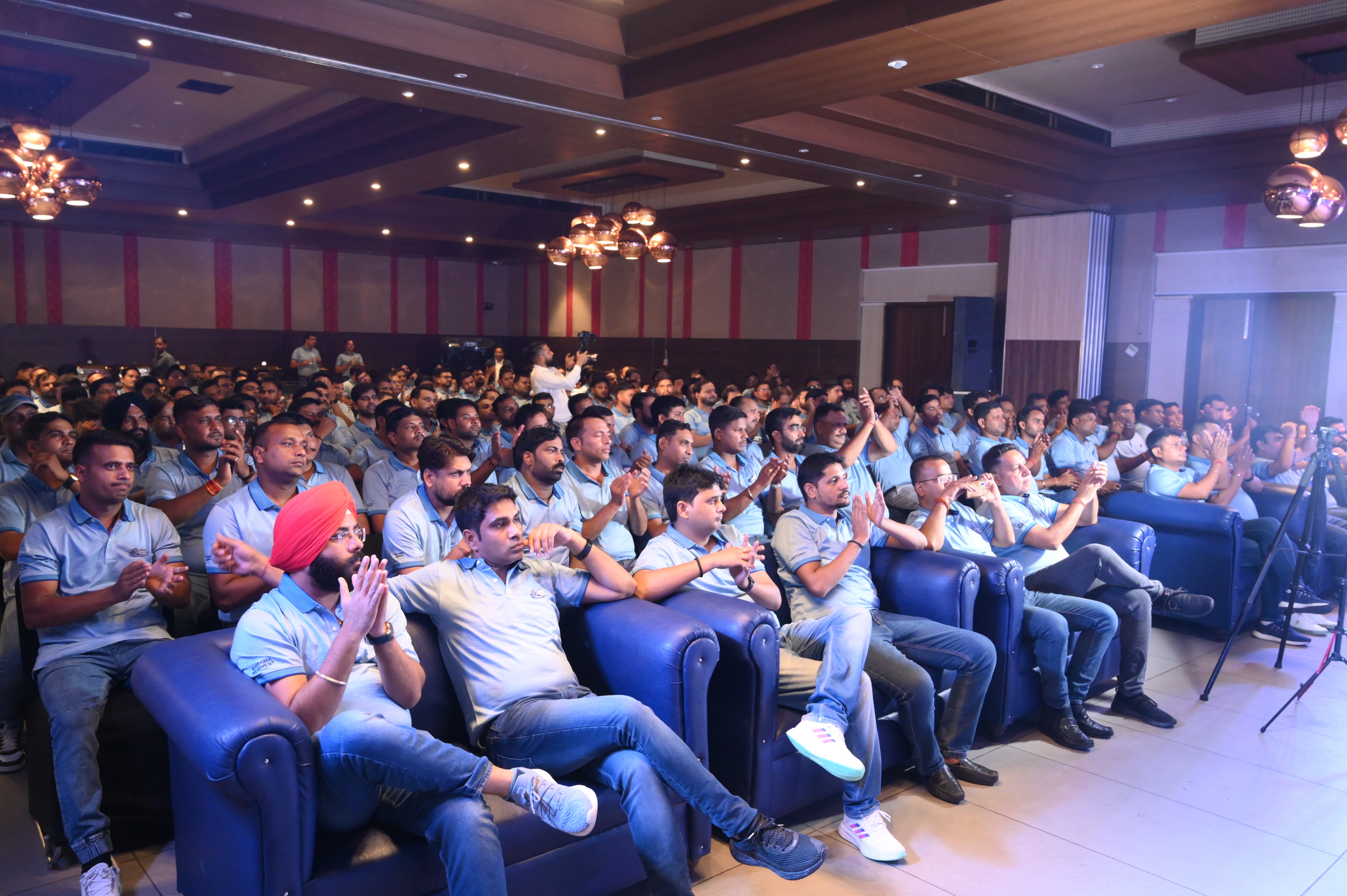
Today’s workplaces are hybrid, distributed, and fast-moving. Leaders are investing heavily in off-sites again. But they often repeat the exact patterns that made past ones forgettable.
Teams fly to beautiful locations.
There’s a packed agenda.
People have fun until they return to work.
Within weeks, sometimes days, the energy disappears. Nothing truly changes.
Why?
Because most organizations treat an offsite like an event, not a cultural intervention.
But the most impactful off-sites don’t just change where people work.
The Offsite Illusion
Why Fun + Logistics Isn’t Enough
A resort, some activities, a keynote, then dinner and drinks.
Most companies stop here.
And while these elements may create temporary enjoyment, they rarely create breakthrough moments or lasting alignment.
Here are some common symptoms of a poorly designed offsite:
- Forced participation disguised as enthusiasm
- Polite surface-level bonding
- No behavioural follow-through when teams return
- Fatigue disguised as “high engagement.”
Fun is crucial to any offsite. But fun alone doesn’t build culture.
The Science of Connection and Alignment
Teams don’t bond by accident, they bond by design
Human connection follows patterns.
Trust follows progression.
Alignment requires structure.
High-performing teams use psychological design, not chance, to create belonging.
Here’s why:
- Belonging drives commitment. When individuals feel seen and valued, performance increases.
- Shared experiences create neural anchors. The brain encodes emotionally significant moments 4-6x more deeply than routine ones.
- Purpose, novelty, and vulnerability create alignment. When people share a challenge, meaning, and reflection, trust accelerates.
A few simple frameworks:
The Trust Ladder: acquaintance > openness > vulnerability > collaboration > shared commitment.
EQ Zones: comfort > tension > insight > breakthrough
Ritual Theory: repeated emotional markers become cultural memory.
The 7 Elements of a High-Impact Offsite
- Clarity Of Intent
Alignment, strategy reset, leadership development, onboarding, culture repair — define one primary outcome. - Emotional Arc Design
Every journey needs a beginning, a peak moment, reflection, and commitment. - Micro-Moments Engineering
Rituals, surprises, shared challenges. The small things often matter more than the big. - Personalisation
No templates. Real teams, real context, real needs. - Facilitation > Activities
Anyone can plan activities. Only skilled facilitation turns discomfort into growth. - Integration to Workflow
The offsite shouldn’t live as a memory; it should shape how the team operates. - Post-Offsite Reinforcement
Nudges, follow-ups, rituals, shared language. This is where behaviour becomes culture.
Case Examples
What This Looks Like in the Real World
Case 1: A fast-scaling startup went from fragmented leadership and unclear priorities to aligned 90-day OKRs within 48 hours.
Case 2: A global enterprise team struggling with low trust developed cross-functional collaboration rituals that they still use months later.
Case 3: A remote team across five countries walked in as strangers and walked out with a unified cultural narrative and shared behavioural standards.
Not because the venue was beautiful (though it really was!)
But because the design was intentional.
The ROI of an International Offsite
High-performing organizations measure off-sites differently.
Not by smiles.
Not by entertainment.
But by behavioural and operational impact.
Signs of ROI include:
- Increased execution velocity
- Reduced conflict and friction
- Higher engagement and retention
- More consistent decision-making
- Culture as a competitive advantage
A simplified metric snapshot
The Enout Framework
Not a service. A philosophy.
Experience-Led
Every moment is intentionally designed, not accidental.
Emotionally Intelligent
We work with team dynamics, not against them.
Culture-First
Logistics support the behaviour shift, not the other way around.
Precision Planning + Psychological Design
Strategy, structure, facilitation, and follow-through — all built into one journey.
If your next offsite is meant to shift how your team operates, not just give them a break, it deserves to be designed with intention.
Because culture isn’t built during meetings.
It’s built during shared experiences.